Saddle sore is a common affliction for cyclists, especially when you spend increasing amounts of time in the saddle. To some extent they are inevitable and can’t be avoided. But, it is worth trying to minimise their frequency and severity as much as possible, because they can become a real pain.
Many non cycling friends say that saddle sore is the biggest reason why they stopped cycling. It seems a real shame because they could probably make a big difference if they tried a few things. Some of the biggest names in pro-cycling have been afflicted with saddle sores – from Eddy Merckx (couldn’t start 1976 tour) to Joop Zoetemelk pulling down his shorts to show journalists a boil ‘the size of an egg’ on his inner thigh, to explain why he wasn’t able to challenge the winner of the 1976 Tour, Lucien Van Impe (Guardian link). Greg Le Mond abandoned the 1992 Tour de France on the l’Alpe d’Huez stage blaming unending torture from saddle sores. Fortunately, there is no need to despair as we can reduce the frequency and severity of sores.
Saddle sore typically has 3 stages:
- Mild skin abrasion / chaffing
- Red acne lumps, like acne (folliculitis)
- Abscess
The third stage requires medical treatment, and not just self-medication.
Prevention of Saddle Sore
Prevention of saddle sore is the most important thing we can do.
Increase distance gradually. Firstly, if you are new to cycling, there is an element of getting used to cycling. If your posterior is sensitive at first, it will get less so, the more you cycle. If you start off with very long rides, you are not accustomed to – saddle sore is much more likely. I think I get less saddle sores than I did when I first started cycling. There is another reason. As your legs get stronger, they are able to take a bit more weight and less for your butt.
Stable position. Related to the first point, saddle sore is more likely if you are rocking around your saddle. If you have a stronger core and can keep a strong position on the bike, it will help reduce irritation.
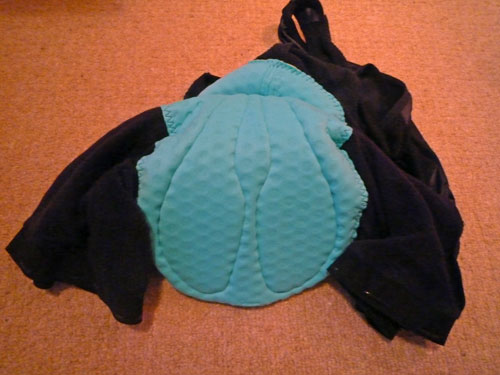
Buy the best shorts you can afford. Always use a good non – seamed cycling short (just in case you were afraid to ask – you definitely don’t want to wear underwear underneath cycling shorts!) A good quality chamois or synthetic chamois leather is important. From personal experience, I found some cycling shorts to be much better padded than others. The worse were some custom Impsport shorts, which were truly dreadful. In between were some Dhb Aeron Pro (£69.99) The best are unfortunately the most expensive. I strongly recommend the Assos F1 mile padded cycle shorts – I’ve found it really effective in giving the best comfort for long cycle rides. If you do regularly ride over 3 hours, it will be money well spent. There may be other shorts not as expensive which are still good. But, obviously I haven’t been able to test all varieties. ‘Reassuringly expensive’ is perhaps an apt description of Assos shorts.
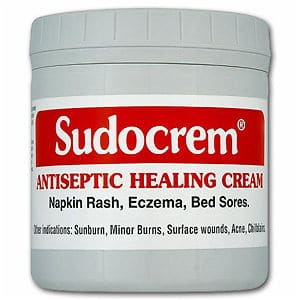
Use a good chamois cream. This can help reduce chaffing on the side of the saddle. My current Adamo saddle is a bit wide, so I’ve got into the habit of always putting chamois cream directly onto the skin, in the area where chaffing is likely to occur. (e.g. Assos Chamois Cream or other, such as Udderly Smooth which is a bit cheaper. As a last resort a bit of vaseline will reduce friction)
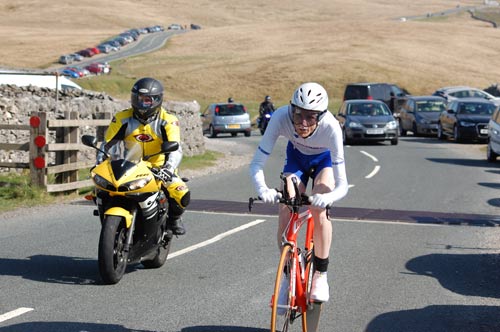
Move around. During a ride, take time to alter your position; give yourself time out of the saddle to relieve the pressure. Some kind of hilly rides will get you out of the saddle without having to think about it. But, other flatter rides, you may need to make sure you do relieve stress, every now and then. Note, you need to do this before your butt starts to feel numb or hurt. This is particularly important in time trials or when you are on the turbo because you’re more likely to get stuck in the same position.
Make sure your position is correct. Awkward positions could lead to too much pressure being put on the saddle. The weight should be evenly spread over the bike. If your seat is too high, your hips wiggle around more.
Don’t drive home in your sweaty shorts. Get clean and dry and soon as possible. It is essential to always wear clean shorts for every ride. I also find a bit of talcum powder with Daktarin (anti-fungal) added to be excellent for preventing any fungal problems. If it might be difficult to get a shower straight after a race, buy some antiseptic wipes to apply to groin area.
At night wear loose fitting pyjamas to reduce contact and allow air to circulate into the nether regions
Methods for dealing with existing saddle sore